
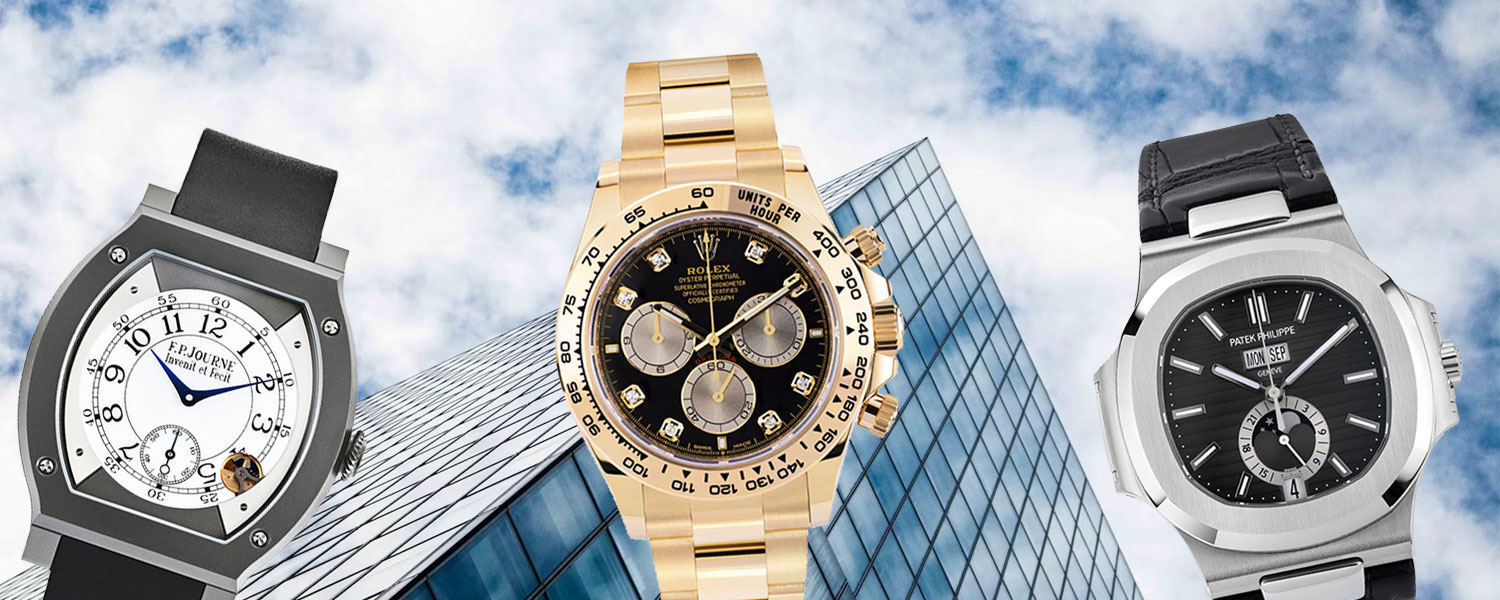
The luxury watch lending industry is rapidly evolving, blending traditional craftsmanship with modern financial innovation. Valued at an estimated $500 million to $1 billion annually, this niche market offers high-net-worth individuals a sophisticated way to access liquidity via luxury watch loans while retaining ownership of their cherished timepieces. Obtaining a loan against a watch is now considered one of the most accessible methods to obtain short-term financing. As the sector evolves and proves its durability, it opens the door to compelling opportunities for consolidation, poised to redefine the future of asset-backed lending.
Understanding the Luxury Watch Lending Market
The luxury watch lending industry thrives within the broader context of a booming global timepiece market. Valued at 103 billion US Dollars in 2024, the watch market is projected to grow to 158.19 billion US Dollars by 2033, with a compound annual growth rate (CAGR) of 4.8%. Within this expansive market, the luxury watch segment stood at approximately 29.1 billion US Dollars in 2024 and is expected to reach 37 billion US Dollars by 2033, growing at a CAGR of 2.65%.
This strong market foundation underpins the watch lending industry, offering stability and growth potential. The consistent appreciation of luxury timepieces—particularly from esteemed brands like Rolex, Patek Philippe, and Audemars Piguet—provides the asset reliability that lenders depend on to deliver competitive loan-to-value ratios. Furthermore, the resilience of the luxury watch market through various economic cycles has solidified its reputation as an alternative investment vehicle, with certain models demonstrating exceptional value growth comparable to traditional assets.
The geographic breakdown of this market offers valuable insights for the lending industry. North America leads the luxury watch market, commanding over 48.0% of the market share as of 2024. This dominance positions the region as a natural hub for luxury watch lending services. AMETA Finance Group has strategically established operations in New York City to cater to the high concentration of luxury watch owners.
Key Market Dynamics Fueling Industry Growth
The growth of the luxury watch lending market is driven by several interconnected factors, with the primary catalyst being the unique investment potential of luxury timepieces. Unlike most consumer goods that lose value immediately after purchase, high-end watches from renowned brands often retain or even appreciate in value over time. This makes them highly appealing as collateral for both lenders and borrowers, fueling the sector’s expansion.
The global rise in disposable incomes has expanded the market of potential borrowers who own luxury watches yet occasionally seek short-term liquidity. These borrowers, often high-net-worth entrepreneurs and investors, prioritize the speed and discretion that watch lending offers over traditional bank financing. With over 5 million US Dollars available for lending against luxury watches, AMETA makes this option particularly appealing by eliminating lengthy approval processes and extensive paperwork. This streamlined access to substantial capital has made watch lending an increasingly attractive solution for those in need of efficient and confidential financing.
Digital transformation has been a driving force behind industry growth, revolutionizing accessibility and reach. The rise of e-commerce platforms and digital marketing has brought luxury watches to a global audience, significantly expanding the pool of potential borrowers. Furthermore, advancements such as online valuation tools and virtual appraisals have allowed lenders to transcend traditional geographic limitations. By offering secure shipping and remote assessment services, companies are now able to provide nationwide coverage, reaching clients far beyond metropolitan hubs.
Advancements in risk assessment tools have empowered lenders to provide more competitive terms. Professional valuation services now analyze a range of factors—such as brand prestige, model rarity, condition, and market demand—to determine precise collateral values. This meticulous approach allows lenders to offer loan-to-value ratios of 70-80%, striking an ideal balance between attractive financing options and robust risk management.
Key Players and Game-Changing Service Models
The luxury watch lending industry features a diverse ecosystem of specialized lenders, each developing unique approaches to serve their target markets. Companies like Qollateral have positioned themselves as full-service providers, offering comprehensive solutions that include professional appraisals, secure storage, and flexible repayment terms2. Their recent expansion to accommodate loans up to $10 million demonstrates the industry’s evolution toward serving ultra-high-net-worth individuals with substantial watch collections.
The luxury watch lending industry is a dynamic space, populated by specialized lenders who tailor their services to meet the needs of specific markets. Companies like AMETA Finance Group have established themselves as full-service providers, offering a suite of solutions that include expert appraisals, secure storage, and flexible repayment options. Their recent move to support loans of up to $5 million highlights the industry’s shift toward catering to ultra-high-net-worth individuals with extensive watch collections.
Ameta has refined its processes to prioritize customer convenience and efficiency. Their approach is centered on rapid turnaround times, often delivering funds within just 24 hours of finalizing an agreement. This focus on speed meets a vital market demand, catering to borrowers who require quick access to funds for time-sensitive opportunities or urgent liquidity needs.
Service models in the industry share many common features but stand out through unique value propositions. Most providers offer free initial valuations, secure storage in monitored facilities, and comprehensive insurance coverage throughout the loan term. What sets this financing option apart from traditional lending is the absence of credit checks, making it an accessible solution for individuals who may struggle with conventional bank loans despite owning significant assets.
Unlocking Growth: Exploring Consolidation and Industry Trends
The luxury watch lending industry is poised for consolidation in the years ahead, driven by several key factors. Currently, the market is highly fragmented, with numerous smaller regional players operating alongside a handful of larger firms. This fragmented landscape presents significant opportunities for economies of scale and streamlined operations through standardization, making consolidation both logical and inevitable.
Capital requirements are a key factor driving potential consolidation in the market. As loan sizes grow, lenders require significant capital reserves to fund large transactions while preserving portfolio diversification. Smaller operators often struggle to compete for high-value loans without access to substantial funding, creating opportunities for well-capitalized players to expand their market share through strategic acquisitions.
Operational efficiency is a key driver behind consolidation efforts. Managing secure storage, professional appraisals, and nationwide logistics comes with substantial fixed costs. These costs can be spread more effectively across higher transaction volumes, creating significant advantages for larger companies. By achieving scale, businesses can invest in advanced security systems, cutting-edge risk management tools, and broader geographic coverage—capabilities that smaller competitors often struggle to match.
Integrating technology brings significant opportunities for consolidation. Larger organizations can leverage proprietary valuation algorithms, automated processing systems, and advanced customer relationship management platforms to boost both operational efficiency and customer satisfaction. As the industry evolves, these technological advancements grow increasingly vital, enabling seamless digital experiences that complement the traditional high-touch services customers value.
Regulatory factors could also accelerate industry consolidation as the sector evolves. Although the current regulatory landscape is relatively lenient, heightened scrutiny from financial regulators may benefit larger, more established companies with strong compliance systems. Businesses that invest in comprehensive risk management and regulatory frameworks will be better equipped to adapt to future changes, while smaller players may find it challenging to keep up with rising compliance costs.
The Future Unveiled: Trends Shaping Tomorrow’s Market
The luxury watch lending industry is at a pivotal moment, with multiple trends converging to drive substantial growth while underscoring the importance of operational excellence. Valued at an estimated $500 million to $1 billion annually, this sector has carved out a significant niche within the broader alternative lending market. As awareness and acceptance continue to rise among potential borrowers, the industry holds immense potential for expansion.
As the market matures, we can expect greater standardization in valuation methods, loan terms, and operational practices. This shift is likely to benefit larger players capable of shaping industry standards, while presenting challenges for smaller operators who must adjust their processes to stay competitive. The establishment of industry best practices will also draw institutional capital, as investors gain confidence in the sector’s ability to manage risks and unlock growth opportunities.
Expanding into new geographic markets is a powerful growth strategy, especially in emerging regions where luxury consumption is on the rise. Asia Pacific, the largest market for watches, coupled with Europe, the fastest-growing market, highlights significant opportunities for international expansion among established brands. However, pursuing global growth demands considerable investment in understanding local markets, navigating regulatory requirements, and building operational infrastructure—factors that often give consolidated entities a competitive edge over smaller, individual operators.
The integration of technology is set to transform the industry, with artificial intelligence and machine learning driving greater precision in valuation and risk assessment. Meanwhile, blockchain technology has the potential to revolutionize authentication and provenance tracking, tackling one of the industry’s biggest challenges while offering a competitive edge to early adopters. However, these advancements demand substantial investment and expertise, resources that consolidation can help streamline and provide.
Conclusion
The luxury watch lending industry embodies a fascinating blend of timeless craftsmanship and modern financial innovation. With an estimated annual market size of up to $1 billion, this niche sector caters to a discerning clientele while delivering consistent, sustainable returns for its operators. Anchored within the broader luxury watch market—known for its steady growth and resilience—the industry enjoys a solid foundation, positioning it for continued expansion and success.
The industry is at a crossroads, driven by rising capital demands, growing operational complexity, advancing technology requirements, and evolving regulatory landscapes. These factors create a strong impetus for consolidation. Companies that can adapt to this shift while preserving the personalized service that defines the sector will be uniquely positioned to unlock significant value as the market continues to evolve.
The luxury watch lending industry is on the brink of significant transformation, driven by a combination of organic growth and strategic consolidation. AMETA Finance Group is on the verge of becoming the de facto leader of this industry due to strong capital resources, exceptional operational capabilities, advanced technology, and a nuanced understanding of their affluent clientele.
If you are seeking short-term financing, click here to request a luxury watch loan.