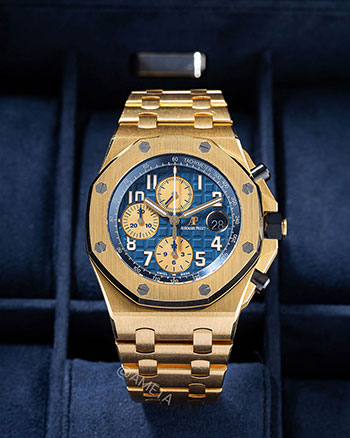

A collateral watch loan is a smart and efficient way to unlock capital without having to part with your cherished collection. By using your luxury watch as collateral, you can access funds while retaining ownership of your timepiece. More watch owners are embracing watch finance as a practical solution to provide liquidity, whether for personal needs, investments, or business opportunities. However, like any financial tool, these loans require careful strategy and preparation. Understanding the loan terms, market value of your watch, and repayment options is crucial to making the most of this flexible finance option.
Luxury watches are more than just timeless accessories, they’re liquid assets. With the rise of short-term lending through high-end timepieces, more watch owners are turning to collateral watch loans as a smart way to unlock capital without selling their collection. But like any financial tool, these loans require strategy and preparation.
At AMETA Finance Group, we’ve seen firsthand how avoidable missteps can lower appraised value, delay funding, or even disqualify a borrower from receiving an offer when applying for loans on watches. Whether you’re a first-timer or a seasoned collector, here are the top mistakes to avoid when applying for a collateral loan, and how to secure the best terms for your watch finance needs.
Collateral Watch Loan Mistakes
Mistake #1: Submitting Incomplete or Low-Quality Photos
The first step in the AMETA loan process is submitting your watch details online—this includes clear, well-lit photos. Too often, applicants upload blurry or partial shots that don’t show the full condition of the watch, bracelet, dial, or case back.
How to avoid it:
- Photograph your watch under natural lighting
- Include multiple angles: face, sides, back, clasp
- If you have the original box and papers, include those in the image
- Better photos mean faster, more accurate appraisals—and higher loan offers.
Mistake #2: Hiding Flaws or Service History
Honesty is critical. Attempting to conceal visible scratches, aftermarket parts, or a lack of servicing can backfire. When AMETA’s team performs final authentication, any discrepancies between description and actual condition can reduce your loan offer—or worse, void it.
How to avoid it:
Be upfront about any cosmetic flaws or servicing history. We evaluate every piece based on real-world market value, and transparency leads to smoother processing and stronger offers.
Mistake #3: Not Including Box and Papers
Original packaging, warranty cards, chronometer certificates, and service receipts can all increase your watch’s value when applying for a loan with your luxury watch. These documents confirm authenticity, model provenance, and ownership, all of which factor into watch finance decisions.
How to avoid it:
Always submit any documentation you have, even if it is partial. A complete “full set” can boost your loan-to-value ratio by 5–15%.
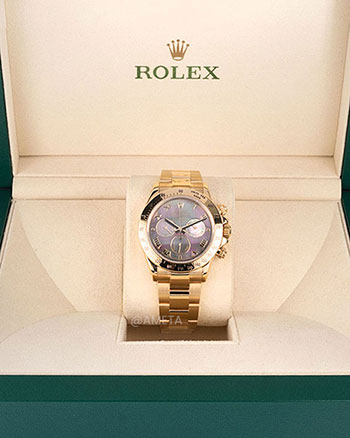
Mistake #4: Choosing a Lender Without Expertise in Luxury Watches
Traditional pawn shops and non-specialized lenders may accept watches as collateral—but they often undervalue them due to lack of market insight. Worse, they may offer minimal security, poor documentation, and high hidden fees.
How to avoid it:
- Choose a specialist. AMETA offers:
- Up to 80% Appraised Trade Value (ATV)
- In-house authentication experts
- 24–48 hour funding
- No credit checks
- No hidden fees
- Safe storage in NYC’s Diamond District vault
Mistake #5: Not Researching Current Market Value
Luxury watch values fluctuate, especially for models from Rolex, Audemars Piguet, and Richard Mille. Applicants who assume a retail price or guess based on outdated listings may have unrealistic expectations when considering luxury watch collateral loans.
How to avoid it:
Check recent sales on platforms like Chrono24 or WatchCharts to understand the current secondary market value of your reference number in similar condition.
Knowing what your watch is worth helps you evaluate offers with confidence.
Mistake #6: Waiting Until You’re in a Rush
Last-minute applications create unnecessary stress. Rushing can lead to incomplete forms, sloppy photo submissions, or missed documentation, all of which reduce efficiency and lower your chance of receiving top-tier terms.
How to avoid it:
Start your loan process early. AMETA can fund loans in 24–48 hours but giving yourself time allows you to maximize your loan offer and review terms thoughtfully.
Mistake #7: Overlooking Loan Terms (Especially Fees)
Some lenders advertise high loan amounts but include hidden fees, aggressive interest rates, and short repayment terms. This can cost more than expected, especially if you need an extension or want to exit early.
How to avoid it:
Read the fine print and compare apples to apples. With AMETA:
- There are no hidden fees
- No prepayment penalties
- You can repay early and get your watch back
- Loan terms last up to 15 months
- You’ll receive monthly reminders, not surprise bills
Bonus Tip: Ask Questions Before You Commit to a Watch Finance Agreement
One of the most overlooked advantages of working with a professional lender like AMETA is access to personalized service. We encourage you to ask questions about term flexibility, how we determine ATV, and how your watch will be stored.
Trust and transparency are part of what makes us the best collateral loan provider in the industry.
Final Thoughts: Maximize Value, Minimize Stress
A collateral watch loan can be an elegant financial tool, when used correctly. Avoiding these common mistakes ensures you receive the best possible offer, with fast funding and no surprises.
With AMETA, you’re never pressured to sell. Your timepiece is stored securely, returned promptly, and valued for what it truly is: a luxury asset with real-world power.